Inreach Opportunities
For Professionals in Mainstream Schools and Settings
Ifield School is a Foundation co-educational school for pupils aged 4 to 19 years of age with Profound, Severe and Complex learning needs, including Communication and Interaction difficulties.
The majority of pupils have learning difficulties associated with Autism and Speech, Language and Communication, and, in addition, some pupils have complex medical conditions.
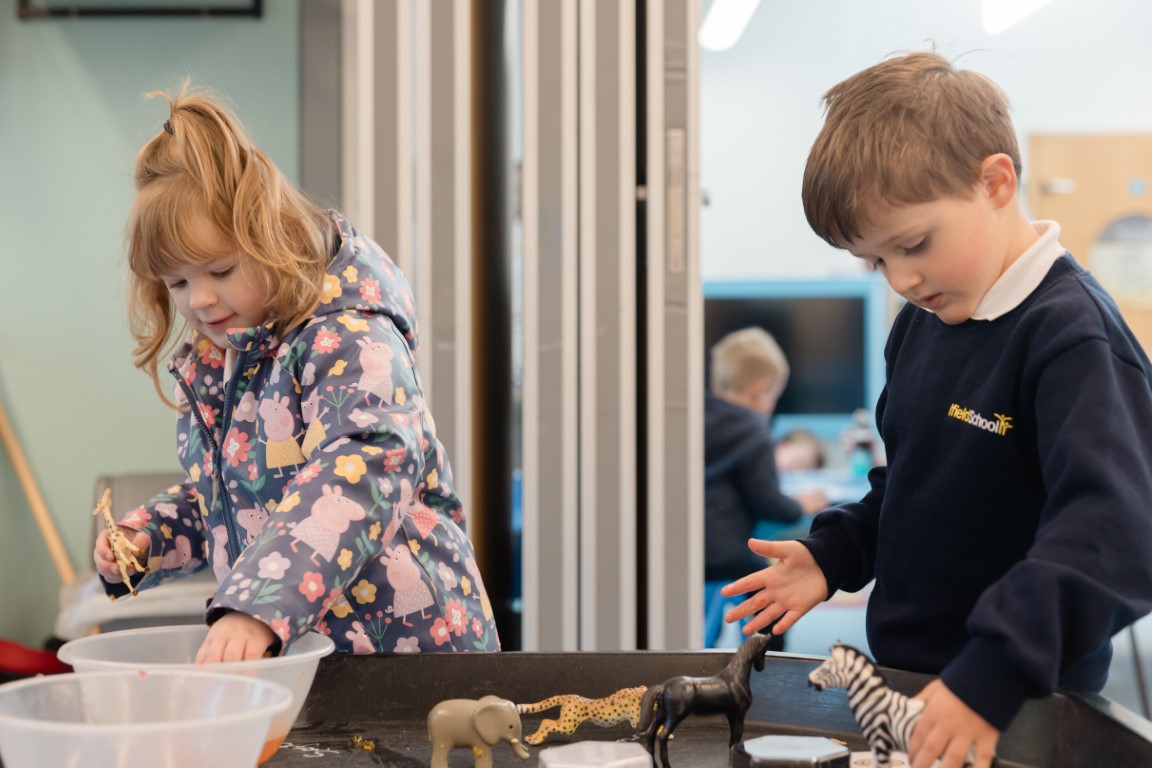
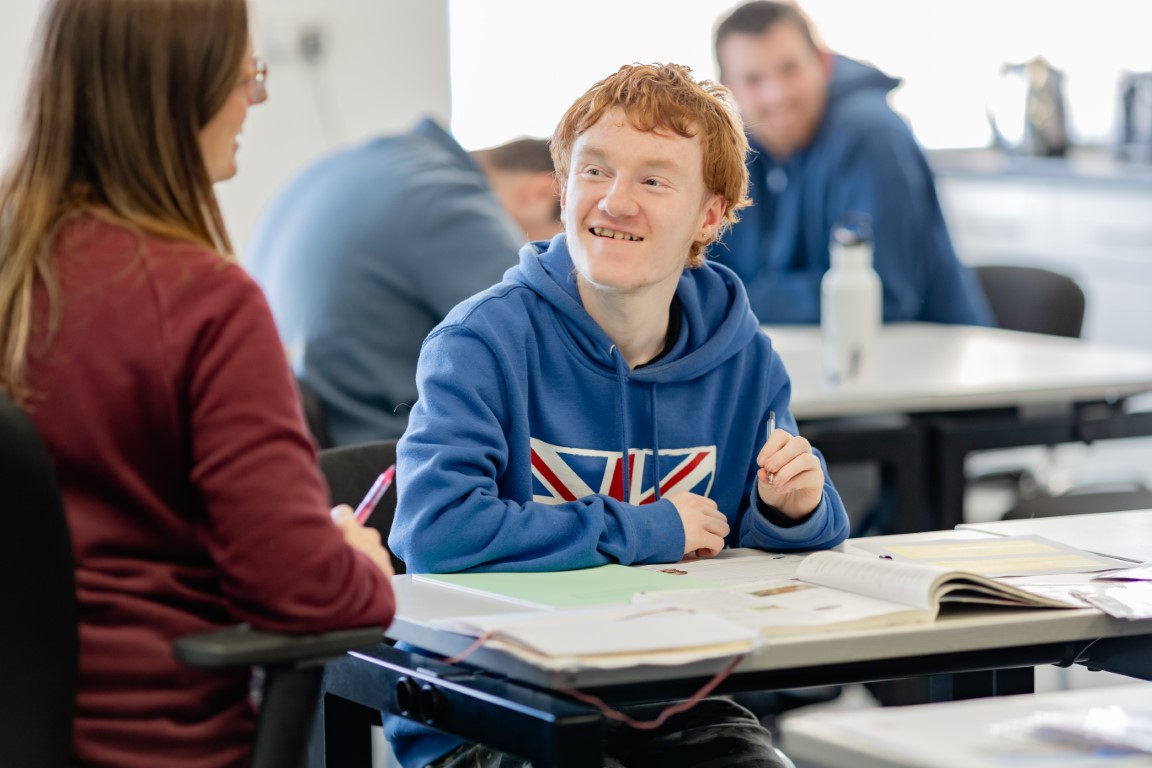
Staff at Ifield School are highly experienced practitioners in the field of Special Educational Needs and Disabilities (SEND) and some members of staff have achieved Master’s Degrees in specialisms including, ASD and SLD. All staff understand that the successful inclusion of pupils in learning activities is of the utmost importance. Ifield School staff create a calm, well-structured, and motivating environment that supports learning and personal development. Every learning space is carefully designed to promote curiosity, collaboration, and a sense of belonging.
We have a growing and dynamic Therapy Team, including Speech and Language Therapists, Occupational Therapists, Therapy Assistants and visiting NHS Physiotherapists.
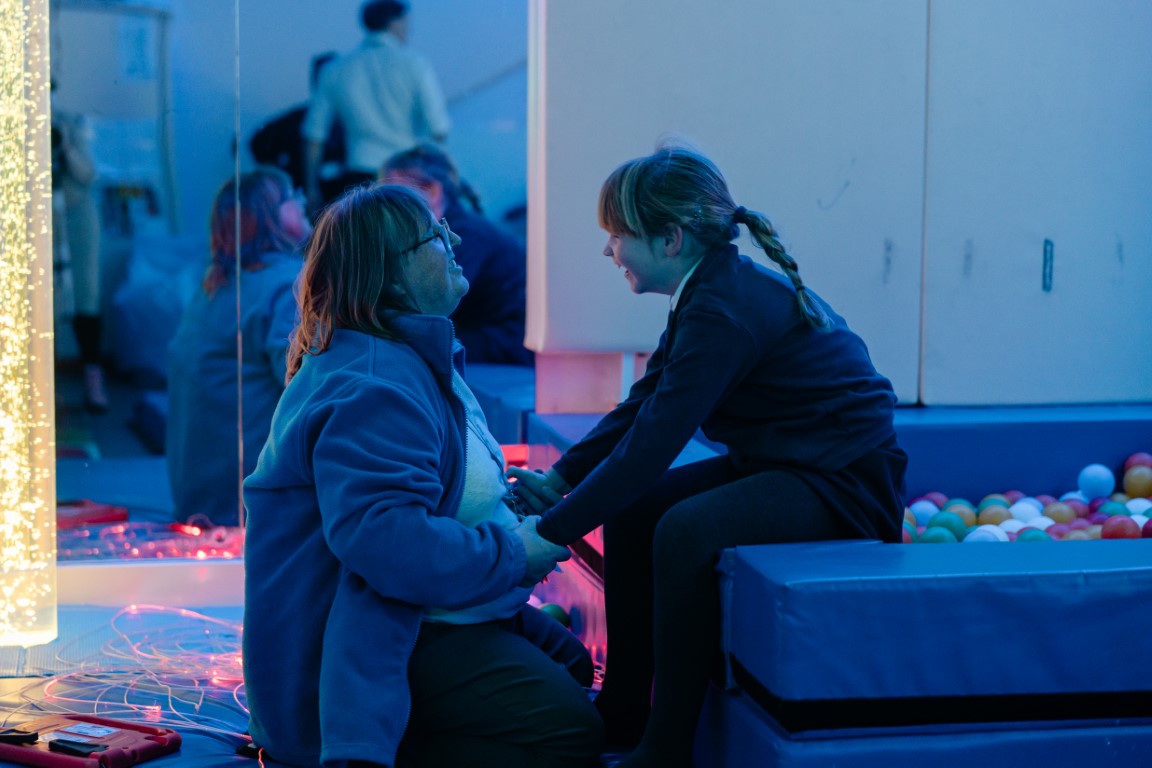
The InReach support we offer includes observations and discussions linked to the interventions below, strategies and also an immersive experience working alongside teams, inviting visitors to spend a morning or afternoon at Ifield School.
For further information or to book an experience, please email:
Hannah Walsh at hwalsh@ifield.kent.sch.uk
Attention Autism is a Speech and Language Therapy group intervention it focuses on developing attention and listening skills. There are four stages to develop these skills from gaining attention, maintaining attention, to shifting attention, and transitioning between activities.
Augmentative and Alternative Communication (AAC) aids support pupils’ understanding and use of language. They can be power-based or paper-based. AAC includes communication boards, switches, Go-Talks and software packages such as Grid for iPad. Please see the definitions for specific communication aids such as PECS and communication boards below.
Colourful Semantics is a system for colour coding sentences to support understanding and expressive language. Each word type has an associated colour, for example all ‘who?’ words are orange and all ‘doing?’ words are yellow. It supports grammar and the semantics of words and sentences.
Fine Motor Programmes are created by an Occupational Therapist to support pupils with developing hand strength, independence in dressing, mark-making and writing.
Communication Boards and Books are paper- based AAC which support language development. Both of these use photos and symbols as a shared method of communication between partners. Communication books are categorised into topics for easy navigation and communication boards are single pages using topic specific vocabulary.
Curiosity Programme is an approach designed to create curiosity about the world, nurturing communication and fostering interaction through shared, joyful, meaningful time spent 1:1 with a communication partner.
Dough Disco is a fun activity which combines the use of playdough with a series of finger exercises designed to develop fine motor control.
Eye-Gaze is a highly specialised technology that allows pupils to access computer software using their eye-gaze. Pupils are able to practice a range of skills to support their communication including image tracking, cause and effect and choice making. This is for pupils with physical disabilities that limits their gross and fine motor skills.
Gong Therapy is a form of sound therapy in which a gong is played softly to promote relaxation, regulation, engagement and interaction.
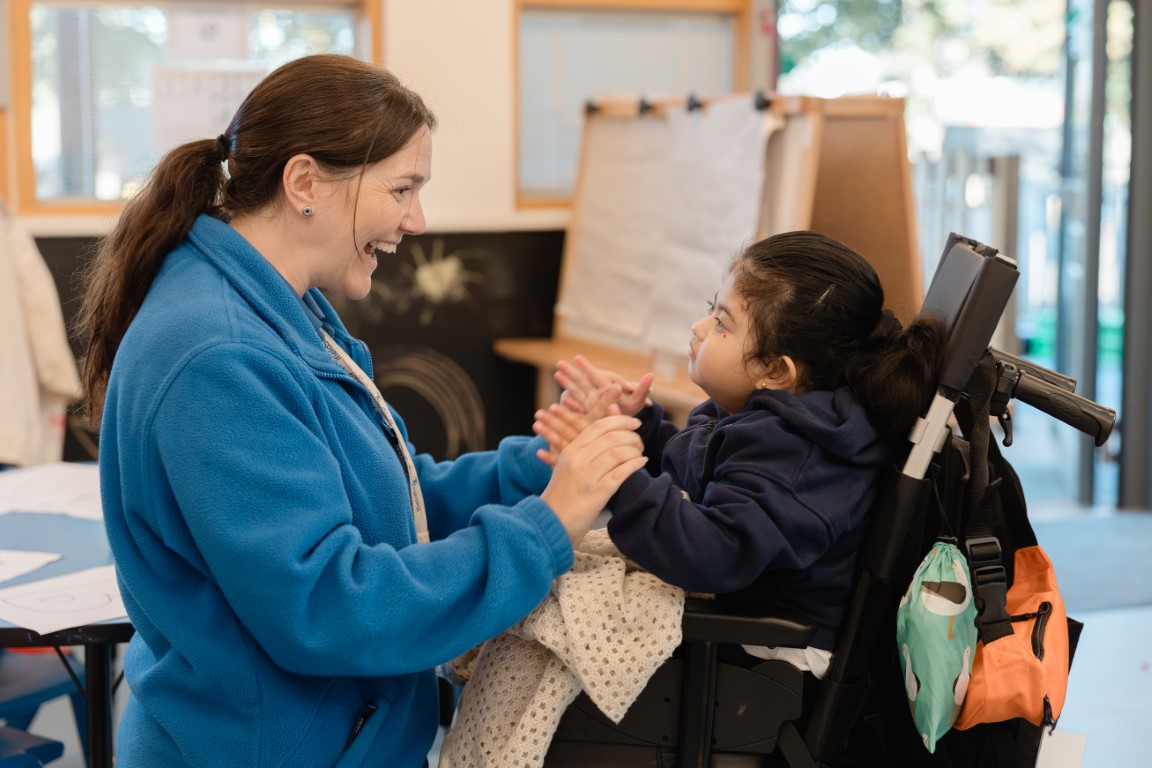
Intensive Interaction is a 1:1 approach for pupils who are at the early stages of communication development. It is child-led and helps pupils to develop the Fundamentals of Communication, this includes learning how to connect and engage with another person.
Lego Therapy is an group intervention aimed at developing social skills including turn taking, sharing, problem solving, teamwork, and conflict resolution. It also supports using language for a range of functions (including asking questions) and with a range of concepts (including prepositions).
Makaton is a communication programme that uses signs alongside speech to enable people to communicate. Makaton signs can be used to support understanding and use of language. Key signs are used alongside speech throughout the day for a range of learners.
The MOVE Programme is an activity-based framework that enables disabled young people to gain independent sitting, standing, walking and transferring skills.
Objects of Reference are objects which are used to help pupils anticipate and prepare for different activities throughout the day. For example, allowing the pupil to explore the pre-recorded sound of pupils playing outside to represent playtime.
On Body Signing is a set of touch cues designed to support understanding by helping the pupil anticipate a transition between locations, activities, or movement. It is typically for those with profound and multiple learning disabilities (PMLD), often with multi-sensory impairments such as visual impairment. For those not yet accessing photos and symbols.
PECS is a Picture Exchange Communication System designed to help learners understand the need to initiate communication with others. Initially, pupils learn to give a symbol card to a communication partner in order to receive a motivating object. At later stages, they learn to form simple sentences and develop other types of sentences in addition to requests including ‘I see’ or ‘I hear’.
PROACT-SCIPr promotes the ability for pupils to communicate their emotions and manage their own feelings and responses. The approach starts by understanding the pupil’s behaviour, identifying indicators of distress early. Staff supporting pupils are prompted to respond positively, in a non-restrictive way. The use of supportive physical interventions is only followed when there really is no alternative.
Rebound Therapy is the use of the trampoline to develop confidence in movement, motor skills, body awareness, balance and co-ordination. It promotes positive relationships and builds self-esteem, confidence and independence and opportunities for communication.
Sensory Circuits are a form of sensory integration intervention. It involves a sequence of physical activities that are designed to alert, organise and calm the pupil. Sensory Circuits can help improve focus, self-regulation, gross motor skills and coordination.
Sensory Diets are a personalised plan of physical activities and strategies which are created to support pupils who need high levels of sensory input. This plan helps supporting adults to keep track of what should be offered to a pupil throughout the day.
Sensory Stories are a combination of spoken words and sensory stimuli. They are a fun and engaging way of telling a narrative that meets the needs of all learners. Sensory Stories bring the words to life through a multi-sensory approach ensuring the learners are active participants. It also promotes turn-taking and anticipation.
TACPAC stands for Tactile Approach to Communication PAC. It is a sensory communication resource that combines touch and music to build communication skills.
Toileting individual Personal Care and Toileting Plans supports pupils to maintain healthy bladder and bowels and develop their independence and toileting skills.
Visual Supports are created to promote independence and engagement while providing structure and predictability. Visual supports include class visual timetables to support transitions, task checklists, now-next boards and micro schedules.